I make industrial systems smarter. With a foundation in PLC programming, SCADA, and process automation — and hands-on work in machine learning, RAG pipelines, and LLM integration — I build things at the intersection of the physical plant and applied AI.
Targeting roles in industrial controls engineering and AI/automation engineering. Comfortable at either end of the stack or where they meet.
Depending on what you need, I can come in from two very different directions.
I understand PLCs, I can read ladder logic at a glance, and I know what it means when a conveyor trips an E-stop at 3am. I've worked with SCADA systems, HMI design, motor drives, and the kind of instrumentation loops that controls engineers actually care about.
I build practical AI systems — not demos. RAG pipelines with real document retrieval, predictive maintenance models from sensor data, LLM-backed interfaces for industrial equipment. Self-hosted, production-minded, and grounded in actual engineering problems.
Building end-to-end — from self-hosted AI knowledge bases to industrial predictive maintenance systems.
Production RAG chatbot for industrial scale and controls documentation. Ollama + Chroma vector DB + Open WebUI. Answers equipment-specific questions by retrieving from actual manuals.
Multi-channel AI triage for support tickets — SMS, email, and web. LLM classifies, prioritizes, and routes issues. Integrates with Twilio and the knowledge base.
Customer-facing portal with AI dispatch logic — auto-assigns technicians based on issue type, location, and expertise. Customer NLP → scheduling engine → tech notification.
Computer vision pipeline that reads paper forms, extracts fields via OCR + LLM parsing, and auto-fills digital systems. Targets industrial inspection and compliance paperwork.
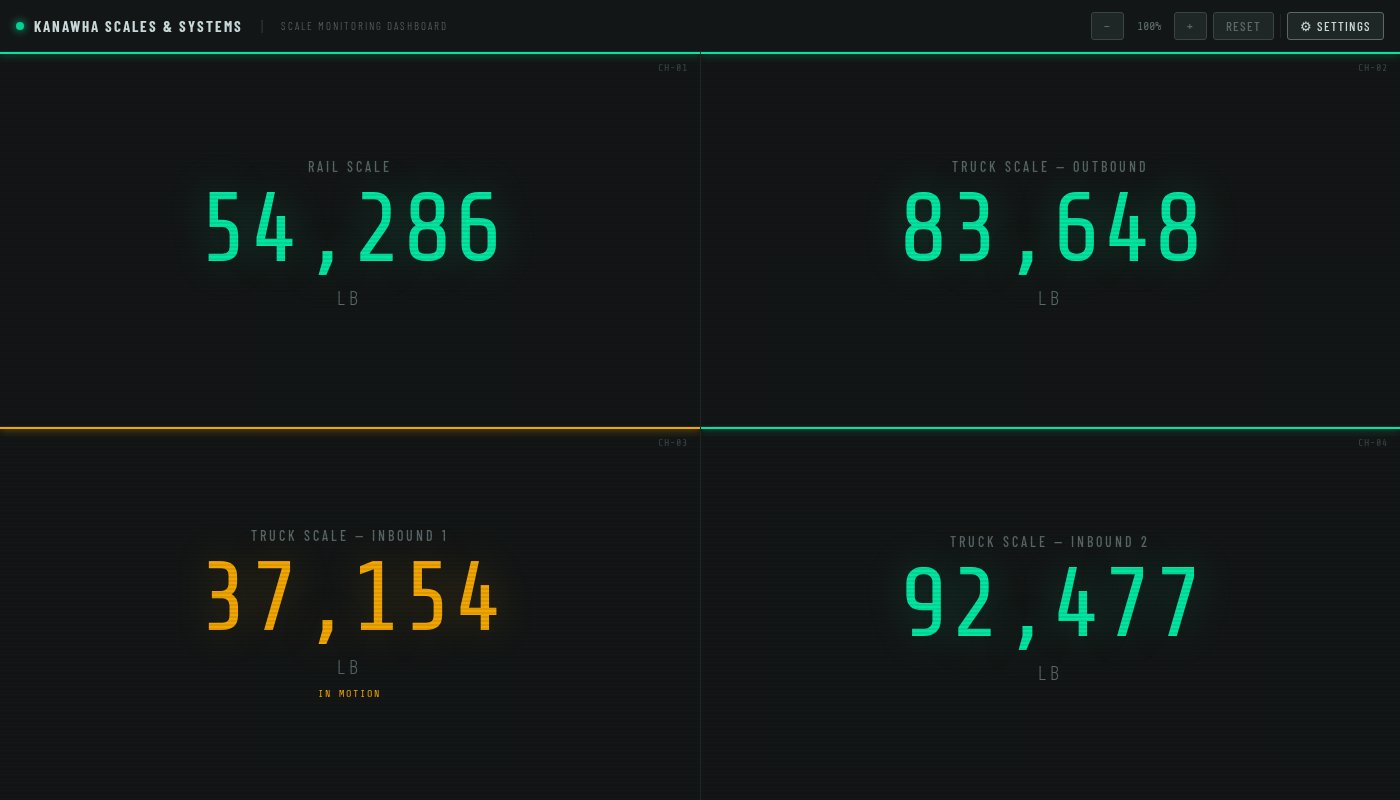
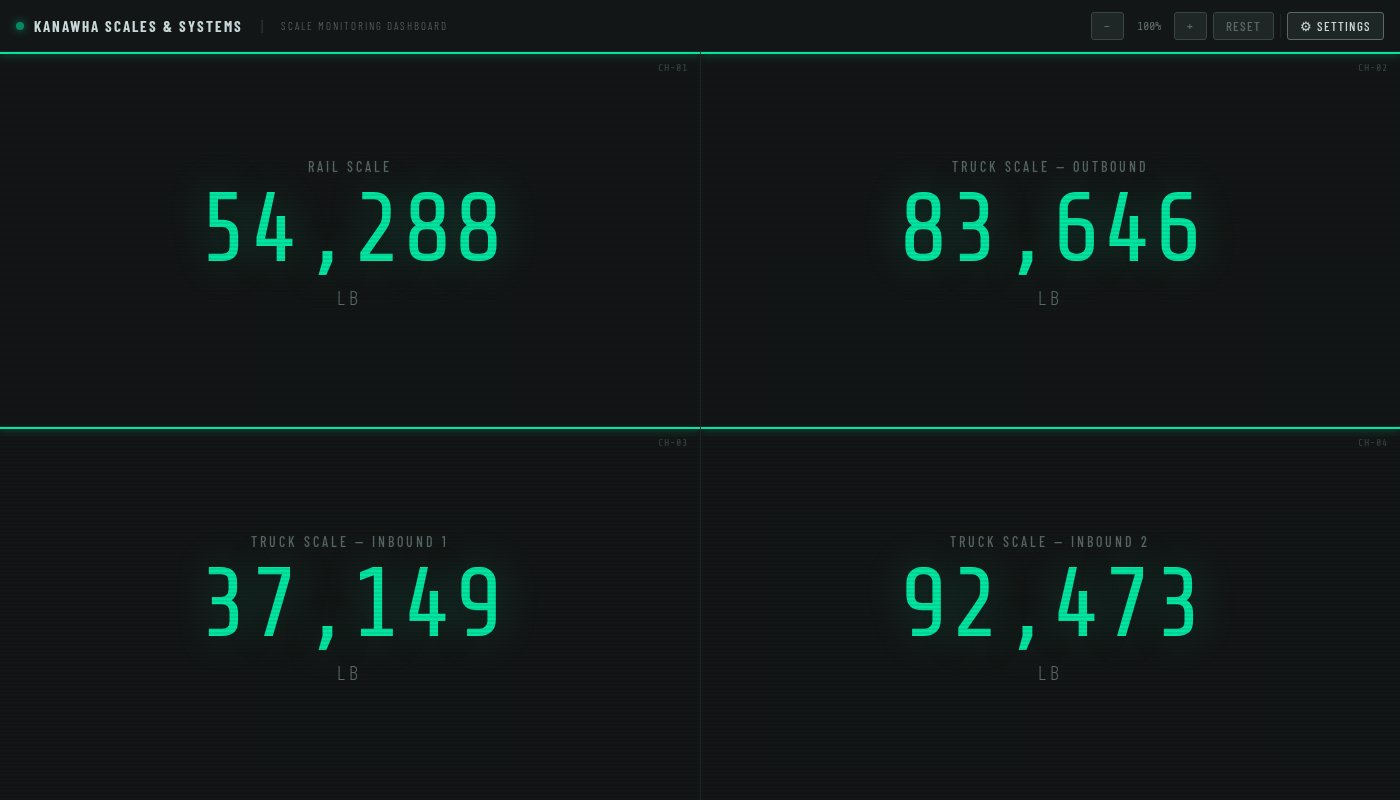
Hardware-in-the-loop bridge connecting real PLC/sensor hardware to AI pipelines via MQTT and HTTP. Raspberry Pi + Arduino sensor simulator feeding live data to ML models.
ML pipeline ingesting load cell readings, temperature, drift, and service history to predict equipment failure 7–30 days out. InfluxDB time-series + Isolation Forest + failure regression. Auto-triggers service dispatch.
Real-time vision inspection for manufacturing lines. Camera feed → CV model → pass/fail decision → PLC output signal to reject mechanism. Bridges AI inference and hard real-time control.
Three dedicated controls projects demonstrating PLC programming, HMI design, and industrial commissioning — the domain expertise beneath the AI work.
What I actually use — not a keyword list, a working toolbox.
I came up through industrial controls — the kind of work where downtime has a real dollar cost and "it works in theory" isn't good enough. I know how automation systems are supposed to behave, which means I know what "wrong" looks like in a way that most software engineers don't.
That background is what makes my AI work different. I'm not applying machine learning to problems I read about — I'm applying it to equipment I've stood next to, processes I've debugged, and failure modes I've seen firsthand. Predictive maintenance, anomaly detection on sensor data, and AI-assisted operator interfaces aren't abstract to me — they're the next logical step from what I've already been doing.
Currently building a 11-project portfolio that demonstrates both disciplines — from self-hosted RAG knowledge bases to hardware-in-the-loop AI systems — with the goal of landing a role where these two worlds actually overlap.
Whether you're hiring for a controls role, an AI engineering role, or something at the intersection of both — I'm interested. Reach out and let's see if there's a fit.